Canada’s $1,700 Carbon Rebate Timeline Explained
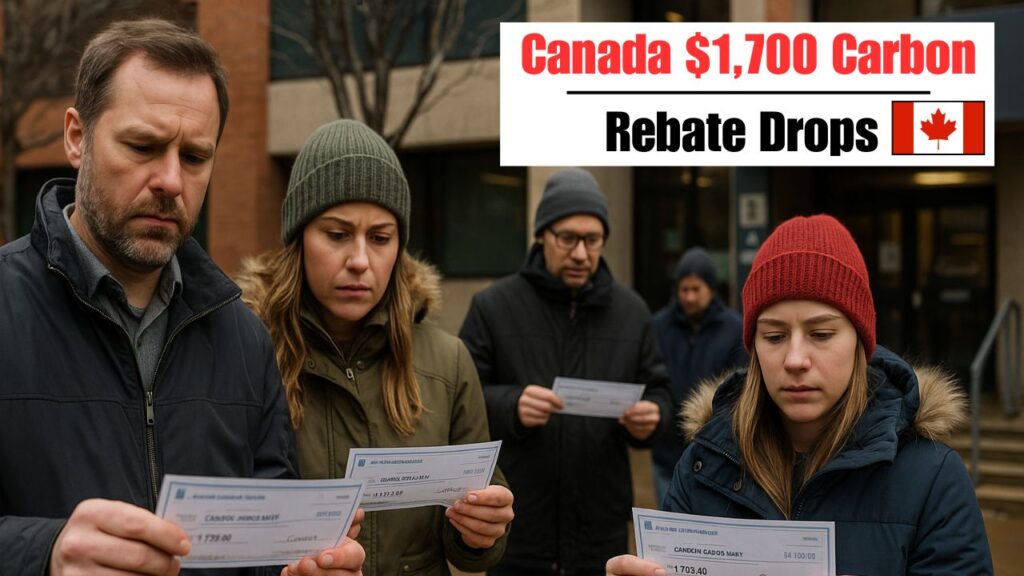
The upcoming rebate window has drawn national attention because the payment delivers substantial household relief at a time of increasing expenses. To secure the benefit, residents must understand how the payout schedule works and the role of tax filings in accessing the funds. Many Canadians rely on this rebate to offset fuel and heating costs, so missing the filing deadline could mean losing out on major monthly relief, time-sensitive payout, government-backed support, and critical annual benefit. The timeline is straightforward, but awareness is key to ensuring that every eligible person receives the payment on time this month.

Eligibility for the Carbon Tax Rebate in Canada
Eligibility for the $1,700 rebate is determined mainly through tax filings, which serve as the government’s method of confirming income levels and residency. Anyone who has not filed by December 15 risks automatic disqualification for the upcoming payment cycle. The rebate is structured to help a wide range of Canadians, particularly low-to-middle-income households seeking cost-saving support, inflation-shield relief, energy-offset funds, and family-friendly payment. Whether single, married, or supporting dependents, filing on time ensures your information is updated and your rebate is processed without unnecessary delays.
How to File and Receive the Carbon Rebate Efficiently
The filing process is simple for most Canadians, especially those using online tax software or existing CRA MyAccount services. Submitting returns before December 15 ensures that payment details, such as direct deposit information, are active and accurate. This prevents delays once the rebate is released and allows households to benefit more quickly from the fast direct deposit, hassle-free processing, verified taxpayer records, and deadline-based approval. Completing your submission early also provides time to correct errors, preventing hold-ups that could push your payment to the next cycle.
Summary and Key Takeaways
With the $1,700 Carbon Tax Rebate arriving this month, timely filing has never been more important. Canadians who meet the December 15 deadline can expect swift processing and secure access to the benefit designed to ease rising living costs. The rebate provides essential financial cushioning, nationwide household support, inflation-focused assistance, and simple qualification steps. For anyone depending on this credit, being proactive is the best way to ensure you do not miss out on a payment that can significantly reduce household pressure during the winter months.
| Requirement | Details |
|---|---|
| Filing Deadline | Must file by December 15 |
| Maximum Rebate Amount | Up to $1,700 per household |
| Payment Method | Direct deposit or mailed cheque |
| Eligibility Basis | Residency and annual tax filing |
| Next Payment Window | Scheduled for end of this month |
Frequently Asked Questions (FAQs)
1. Who qualifies for the $1,700 Carbon Tax Rebate?
Anyone who files taxes on time and meets residency rules qualifies.
 Canada Pension Increase for 2025: Seniors Set to Receive Extra $122 Monthly From December 15
2. What happens if I miss the December 15 filing deadline?
You may be pushed to the next payment cycle.
3. How will the rebate be delivered?
Most Canadians receive it by direct deposit.
4. Is the rebate taxable income?
No, the carbon rebate is not considered taxable income.