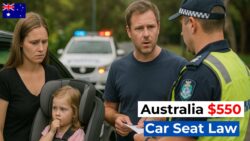
Australia New AI Cameras Fine – Australia is introducing a major update to its road safety measures with the rollout of advanced AI-powered traffic cameras starting 10th December 2025. These cameras are designed to detect red light violations more accurately and enforce hefty fines of $415 for offending drivers. Alongside this, new child car seat safety regulations are being implemented to ensure the protection of young passengers. Australian motorists must now be extra vigilant, as these combined measures aim to significantly reduce accidents and improve overall traffic safety nationwide.
AI Traffic Cameras for Australian Drivers
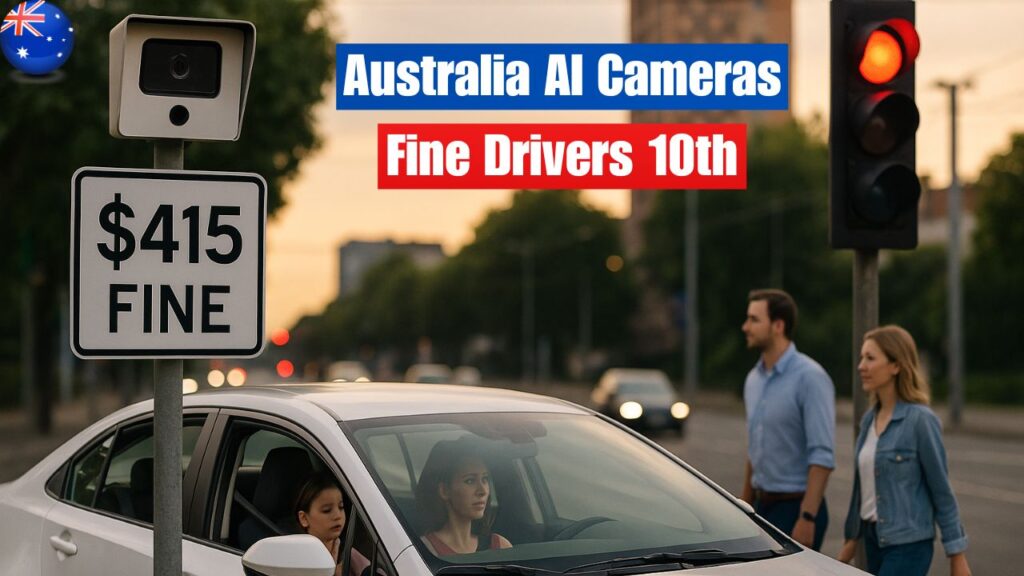
From 10th December 2025, Australian drivers will encounter AI traffic cameras installed at key intersections across major cities. These cameras are capable of detecting vehicles running red lights with precision and automatically issuing fines of $415. Authorities have emphasized that the AI system will also monitor compliance with newly updated road safety regulations. Motorists in Australia are strongly encouraged to familiarize themselves with the new technology to avoid penalties and ensure safer driving practices for all road users.
 Centrelink One-Time $800 Pension Boost Expected in December 2025: What Older Australians Should Know
Child Car Seat Regulations Across Australia
The Australian government has introduced stricter child car seat laws that will be enforced alongside AI traffic cameras. Parents and caregivers are required to ensure that children are seated in approved car seats appropriate for their age and weight. Failure to comply may result in fines or legal repercussions. These regulations are part of a broader initiative by Australian road safety authorities to reduce fatalities and injuries among children. Compliance is mandatory for all vehicles transporting children, and awareness campaigns are being launched nationwide.
| Measure | Fine / Penalty | Effective Date | Target Group |
|---|---|---|---|
| Red Light Violation AI Detection | $415 | 10 Dec 2025 | All drivers |
| Child Car Seat Non-Compliance | $550 | 10 Dec 2025 | Parents / Caregivers |
| High-Risk Zone Monitoring | $1,049 | 10 Dec 2025 | All drivers |
| Repeat Offender Penalties | Additional fines + points | 10 Dec 2025 | Frequent offenders |
Enhanced Road Safety Measures for Australian Citizens
These new safety measures in Australia are not limited to fines; they also include educational campaigns and strict enforcement policies. Drivers must stay alert to AI-monitored intersections and comply with child safety regulations to avoid penalties. The Australian Transport Authority emphasizes that the goal is to reduce accidents and protect all road users, particularly vulnerable children. Compliance with these updated laws ensures safer roads and demonstrates responsible citizenship, while also preventing financial penalties and legal complications for motorists.
Compliance Tips for Motorists in Australia
Australian drivers should review all changes in traffic law before the 10th December 2025 enforcement date. Key tips include checking that all child car seats are correctly installed, adhering strictly to traffic signals, and understanding the locations of AI camera zones. Motorists should also monitor updates from local road authorities for any additional requirements or guidance. Following these tips not only helps avoid fines but also contributes to safer driving habits across Australia, benefiting all road users.
Frequently Asked Questions (FAQs)
 Australia $300 Cash Boost Arrives on 10 December — Who Qualifies for This Week’s Support Payment
1. When will the new AI traffic cameras start operating?
The AI traffic cameras will start monitoring roads on 10th December 2025.
2. What is the fine for running a red light under the new system?
The fine for a red light violation detected by AI cameras is $415.
3. Are there new rules for child car seats?
Yes, parents and caregivers must ensure children use approved car seats based on age and weight.
4. Where will the AI cameras be installed?
Cameras will be installed at major intersections and high-risk zones across Australian cities.