Centrelink Issues Urgent Warning – Australia has issued a serious alert after Centrelink confirmed that nearly 270,000 Australians were targeted in a large-scale email attack connected to stolen Medicare and tax information. This warning highlights growing cybersecurity risks and the need for residents to stay vigilant when handling government-related digital communication. The incident has raised concerns about identity theft, fraudulent claims, and unauthorised access to government services. In this article, we break down what happened, how Australian citizens can protect themselves, and what steps the government is recommending to ensure personal data remains secure.
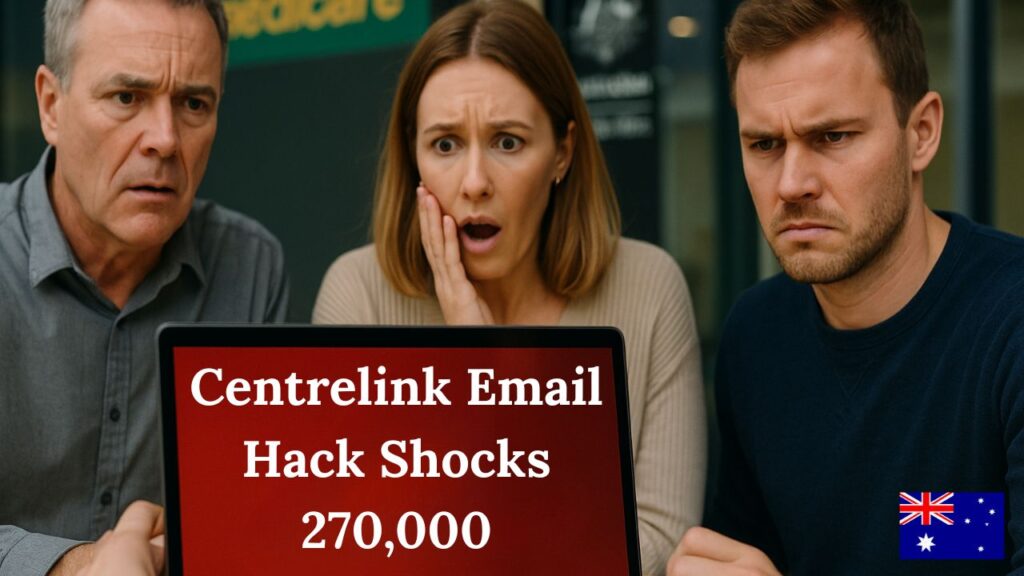
Centrelink Cyber Warning for Australian Citizens
The recent Centrelink cyber warning has drawn national attention, especially after reports confirmed that 270,000 Australian citizens were affected by a sophisticated email-based scam. Attackers used fake government-style emails to trick individuals into sharing personal information linked to Medicare and tax details. This tactic has created widespread concern, as cybercriminals used methods that closely resembled real Centrelink communication. Authorities across Australia have urged people to avoid clicking unexpected links, double-check official sender addresses, and immediately report suspicious emails. The incident highlights the importance of secure digital behaviour, especially when accessing sensitive services online.
Major Email Scam Targeting Residents Across Australia
The major email scam impacting residents across Australia has spread rapidly, with cyber experts warning that the attackers used advanced phishing methods to capture Medicare numbers and tax-related data. Victims reported receiving emails that closely mimicked real Centrelink notifications, making the scam hard to identify. Australian residents are now advised to verify messages through their myGov account rather than relying on email prompts. Authorities have also encouraged the use of multifactor authentication to strengthen personal accounts. This event serves as a reminder that digital threats continue to evolve, and individuals must stay alert to minimise risks to their personal information.
| Risk Category | Details |
|---|---|
| Affected Individuals | Approximately 270,000 Australians |
| Targeted Information | Medicare numbers, tax data, personal identity details |
| Main Scam Method | Email phishing using fake Centrelink-style messages |
| Government Advice | Use myGov to verify, avoid email links, enable MFA |
| Reporting Method | ReportCyber, Services Australia, myGov Security |
Email Fraud Prevention Guide for Australians Nationwide
Australians nationwide are now being urged to follow strict fraud-prevention steps to safeguard their government accounts from similar attacks. Authorities recommend regularly updating passwords, avoiding the reuse of login credentials, and never entering Medicare or tax information through email links. Users should also monitor their myGov accounts for unusual activity and report discrepancies immediately. This event has pushed cybersecurity agencies to intensify digital safety campaigns, reminding people that ongoing awareness is critical. By staying informed and adopting safer online habits, Australians can significantly reduce their exposure to future cyber threats targeting government services.
Digital Safety Tips for People in Australia
People in Australia are strongly encouraged to follow essential digital safety practices, especially after this Centrelink incident. These include verifying all government communication within the official myGov portal, enabling two-factor authentication, and never sharing personal or financial information over unsecured channels. Staying aware of current scam patterns and checking government alerts regularly can also help individuals reduce the chances of falling victim to similar cyber attacks.
Frequently Asked Questions (FAQs)
1. What caused the Centrelink email warning?
The warning was issued after cybercriminals targeted 270,000 Australians using fake Centrelink-style phishing emails.
2. Was Medicare information affected?
Yes, attackers attempted to steal Medicare numbers and related identity details through fraudulent emails.
3. How can Australians verify real messages?
Residents should log in directly to their myGov account instead of using links received by email.
4. What should victims do next?
They should report the incident to ReportCyber and update security settings on their government accounts.